Meta Description: A major FAA Ground Stop has caused widespread flight delays and cancellations across the United States. Learn how it affects your travel plans today.
Keywords: FAA Ground Stop, US flight delays, airline disruptions, airport news, travel updates
Thousands of travelers are facing sudden delays today after a massive FAA Ground Stop halted flights across the United States. Planes were held on the ground at major hubs, leaving departure boards full of red cancellation notices. If you are sitting at an gate right now, you know the frustration firsthand.
The Federal Aviation Administration issued the order to pause departures while air traffic controllers worked to resolve a system failure. The disruption quickly hit major US airports from New York to Los Angeles. Within hours, thousands of passengers found themselves searching for answers and trying to rebook their flights.
What Happened During the FAA Ground Stop?
The FAA Ground Stop is a safety measure that keeps airplanes on the ground when severe issues arise. Air traffic systems require constant, real-time data to track planes and clear runways safely. When a critical database or computer network fails, safety rules require the agency to freeze departures immediately.
During this event, planes already in the air were allowed to land safely at their planned destinations. However, no new flights were permitted to take off. This caused a massive buildup of aircraft on taxiways and at gates. Pilots had to turn off engines and wait while engineers worked behind the scenes to fix the core problem.
Ground stops are rare on a national scale. Usually, the agency uses them for localized weather events, like a severe storm over Chicago or Miami. A nationwide pause indicates a deep issue within the core technology that links every control tower in the country.

When and Where the Flight Cancellations Hit Hardest
The ground stop started early in the morning, right as the peak travel rush began. Busy transit hubs felt the impact immediately. Airports in Atlanta, Dallas, Chicago, and Denver reported long lines at customer service counters before noon.
International flights heading into the United States were also affected. Planes scheduled to leave airports in the UK and Canada were held at their origin gates. Airline crews could not launch overseas flights without a clear window to enter US airspace.
Here is a quick look at how different parts of the travel system were affected:
- Major Hubs: Large connecting airports suffered severe gate shortages as incoming planes sat idle.
- Regional Flights: Smaller feeder flights were cancelled early so airlines could save resources for main routes.
- International Arrivals: Long-haul flights faced long delays on the tarmac waiting for landing approval.
People looking for remote work options while waiting out travel disruptions can check out Online Jobs That Need Only a Phone to stay busy during long layovers.
How FAA Aviation Systems Work Under Pressure
The national airspace system relies on complex software to keep thousands of planes safe every single minute. One key component is the Notice to Air Missions system, which sends safety notices to pilots. If this system goes offline, pilots cannot receive critical updates about runway closures or equipment failures.
Backup systems are built into every layer of air traffic control. When the main database goes down, secondary servers are supposed to take over instantly. In this case, the transition did not happen smoothly, forcing officials to call a halt to clear the risk.
Engineers had to manually reboot software nodes and verify data accuracy before restarting the network. Aviation safety regulations leave zero room for error. If data is missing or delayed, the safest move is always to keep the aircraft on the tarmac.
Impact on Airline Operations and Flight Delays
Airlines face massive logistical challenges when a ground stop occurs. Even after the FAA lifts the order, the system does not return to normal right away. Planes and flight crews are scattered across the country in the wrong cities.
A single delayed aircraft can cause five more delays later in the day. Flight crews hit their legal work hour limits while waiting on the tarmac, forcing airlines to find replacement pilots. This ripple effect often lasts for two or three days after the main technical issue is fixed.
Airlines scrambled to issue travel waivers so passengers could change their plans without extra fees. For more information on how travelers can manage disruptions, visit Txdtub US Travel and Flight Updates for direct guides.
A professional Website content writer covering aviation news notes that airline communication is vital during these events to prevent panic at crowded terminals.
Passenger Experiences at Crowded Terminals
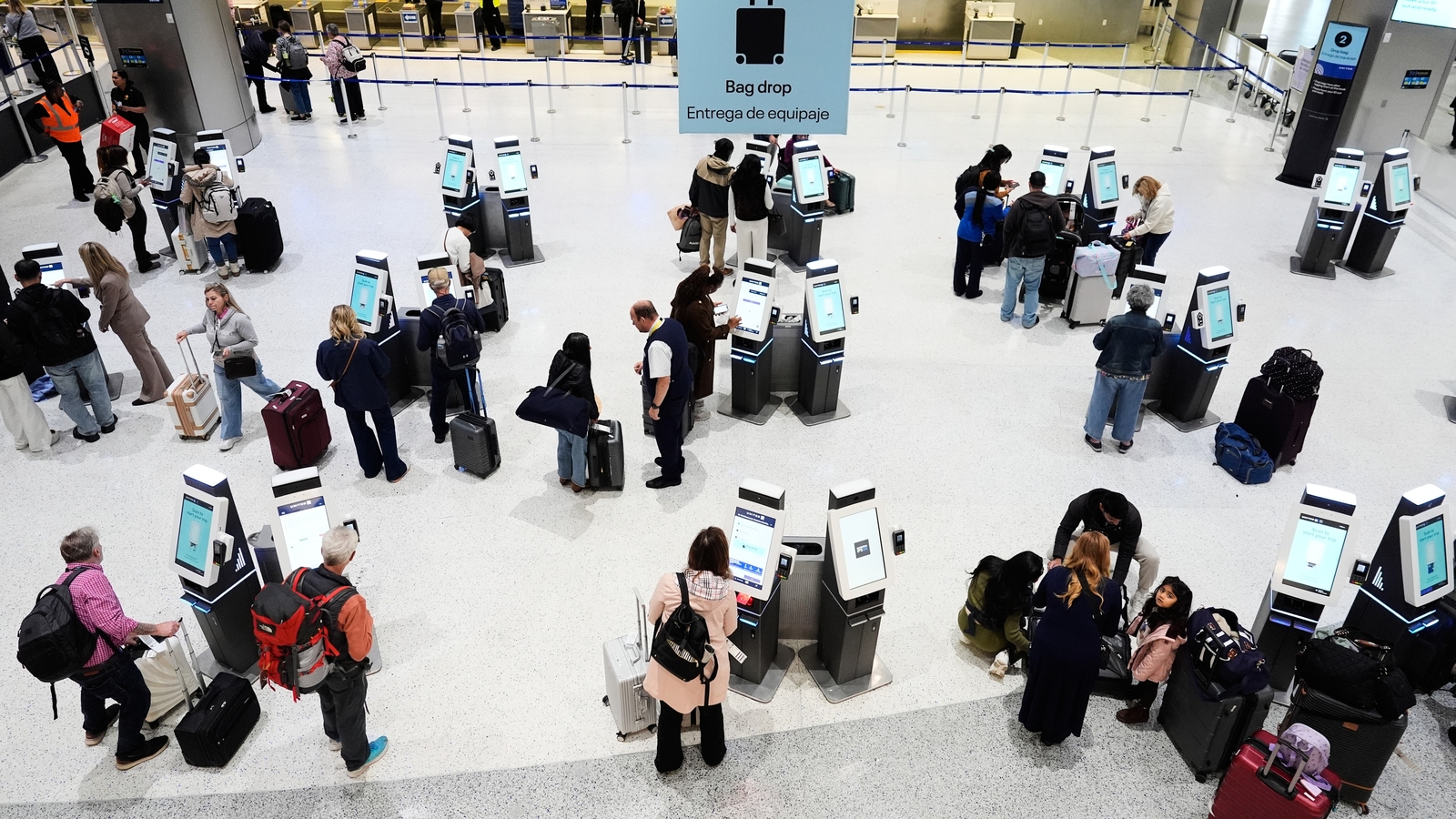
Inside airport terminals, the mood shifted quickly from early morning coffee runs to widespread confusion. Long queues formed at ticket counters as thousands of people tried to rebook seats on later flights. Hotel shuttles were packed as stranded travelers sought places to sleep for the night.
Many passengers reported waiting on aircraft for hours before returning to the gate. Terminal seating ran out, leaving people resting on luggage bags near charging stations. Family vacations, business meetings, and connections were missed across the country.
Travelers shared their stories on social media, showing crowded concourses and silent departure boards. The lack of clear information in the initial hours added to the stress for those stuck far from home.
Official Responses and Current Updates
Transportation officials released statements explaining that safety remains the top priority for all air travel. The agency confirmed that the main system issue was identified and patched, allowing flights to resume slowly under controlled spacing.
Government leaders have called for a full review of the aging tech infrastructure that powers US aviation control. Upgrading these national networks requires large investments, but events like this show why modern hardware is necessary.
Air lines continue to work through the backlog of stranded passengers. While planes are flying again, travelers are urged to check their flight status online before leaving for the airport over the next 48 hours.
Have your travel plans been hit by recent flight delays? Check your airline app frequently for the latest schedule changes and know your rights for food and hotel vouchers.